Brazil does not call it a "golden visa," but it has one. Buy roughly R$1,000,000 of urban property — only R$700,000 in the North or Northeast — register the deed in your own name, and you qualify for a renewable Brazilian residence that can become permanent and, eventually, citizenship. No job offer, no Brazilian sponsor, no obligation to live there full-time. This guide walks through exactly how it works, what it costs, where the bureaucracy bites, and the tax consequences nobody mentions in the brochure.
We are an English-speaking, OAB-licensed Brazilian law firm that handles these files for Americans and Europeans every month. What follows is the honest version: the route is real and well-trodden, but it rewards people who get the paperwork right the first time and punishes those who buy first and ask questions later.
What the "Brazil golden visa" actually is
The marketing term "golden visa" is borrowed from Portugal and Greece. In Brazil the legal instrument is an investor residence permit based on real estate, created by the National Immigration Council's Normative Resolution CNIg nº 36/2018 and administered under the 2017 Migration Law (Lei 13.445/2017). The logic is simple: foreigners who bring real capital into the country and tie it to a registered asset get the right to live here.
Two numbers define the route:
- R$1,000,000 (about US$192,000 / €170,000, approx, at ~R$5.2/US$ and ~R$5.9/€) invested in urban real estate anywhere in Brazil; or
- R$700,000 (about US$135,000 / €119,000, approx) if the property sits in the North or Northeast regions — the development-incentive discount that makes states like Bahia, Pernambuco, Ceará, and Rio Grande do Norte genuinely attractive.
The property can be ready-built or under construction, residential or commercial, and you can combine more than one property to reach the threshold. What you cannot do is improvise: the money has to arrive through Brazil's documented foreign-exchange system, the purchase value has to be evidenced, and the title has to land in your name on the official registry. Get those three things right and the immigration side is mostly procedural.
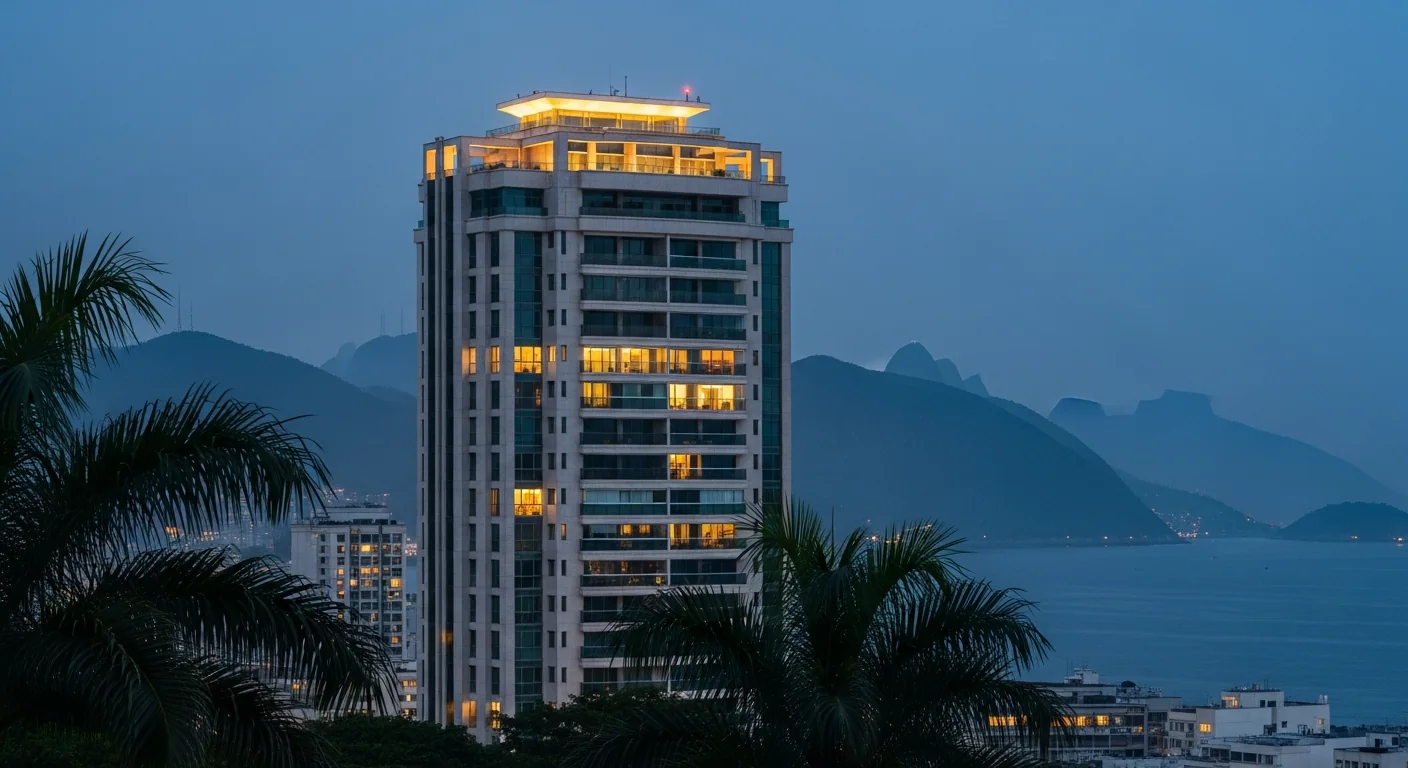
The R$1M / R$700k thresholds, decoded
The headline figures are easy. The conditions around them are where files succeed or stall.
Urban property only
This route is for urban real estate — apartments, houses, commercial units, urban land lots. Rural land is a different legal world: foreign ownership is capped and requires INCRA authorization, with a municipality-wide ceiling of 25% foreign ownership and 10% to any single nationality (Lei 5.709/1971). A farm or fazenda will not anchor a golden-visa file, so do not let a seller convince you otherwise.
The money has to be traceable foreign capital
Immigration authorities want to see that the investment is genuine foreign capital brought into Brazil, not cash assembled informally inside the country. In practice that means:
- The funds enter through a regulated exchange contract (your bank or a câmbio broker handles the SISBACEN/foreign-capital registration);
- The wire trail connects your overseas account to the purchase; and
- The declared purchase price on the deed matches the documented investment.
This is the single most common place we see DIY buyers trip. They wire money to a friend, pay partly in cash, or under-declare the price to save on transfer tax — and then discover the immigration file cannot be built because the paper trail does not add up.
You can combine properties — and the Northeast discount is real money
You may reach the threshold with a single unit or several. A buyer assembling a small portfolio in Salvador or Recife can hit R$700,000 across two apartments and qualify, while the same R$700,000 would fall short in São Paulo or Rio, where the national R$1,000,000 figure applies. For lifestyle-plus-residence buyers, the Northeast discount frequently decides where they buy.
The deed in your name is the whole ballgame — no registered matrícula, no investor residence, no matter how much you wired.
The matrícula: why the deed is everything
In Brazil, you do not truly own property until the transfer is recorded on the matrícula — the unique registry record each property holds at the local Cartório de Registro de Imóveis (real estate registry office). A signed purchase contract, a paid deposit, even a notarized deed (escritura) are not ownership. Ownership exists only when the registry updates the matrícula to show your name.
For the golden visa this matters twice over. The immigration authority needs a certidão de matrícula atualizada (an up-to-date registry certificate) showing you as the registered owner. If the title is still in the seller's name, or tangled in an inventory/probate, or burdened by a lien you did not clear, you cannot evidence the investment — so the residence file waits.
What due diligence on the matrícula must catch
- The seller is the true registered owner with clean title (no undisclosed co-owners or heirs)
- No mortgages, liens, judicial blocks (penhora) or other encumbrances on the matrícula
- No pending lawsuits against the seller that could claw back the sale (ações reais e pessoais reipersecutórias)
- Property taxes (IPTU) and condominium dues are fully paid and up to date
- The unit's built area matches the registry (no unregistered extensions — averbações)
- The property is genuinely urban and outside the 150 km border strip and coastal terreno de marinha traps
The coastal trap: terreno de marinha
Much of Brazil's best beachfront sits on terreno de marinha — "marine land" within 33 meters of the historical high-tide line, where the federal government owns the soil and you own only the building on top. You hold the property through an occupancy right (ocupação) or leasehold (aforamento), pay an annual ground rent (foro), and pay a transfer fee (laudêmio, currently typically a few percent) every time it changes hands. Such property can still anchor an investor residence, but the structure is different and reform proposals are currently pending in Congress that could change the regime — so flag any beachfront purchase for a specialist review before you commit.
Where to buy: the Northeast discount in practice
The R$700,000 figure exists to pull foreign capital toward Brazil's North and Northeast, the regions the federal government most wants to develop. For a golden-visa buyer that is a genuine, legal arbitrage: the same money that barely clears the threshold in the Southeast comfortably clears it — with room to spare — in the Northeast, and buys far more property per real.
The Northeast is not a consolation prize. It holds some of Brazil's best-loved coastline and most liveable mid-size cities:
- Salvador and the Bahia coast — colonial history, year-round warmth, a deep cultural scene, and beach towns like Praia do Forte within easy reach.
- Recife and Porto de Galinhas (Pernambuco) — a working business hub paired with some of the country's most famous beaches.
- Fortaleza and the Ceará coast — strong tourism demand, growing direct flights from Europe, and short-term rental potential.
- Natal (Rio Grande do Norte) and João Pessoa (Paraíba) — quieter, lower cost of living, steady rental seasons.
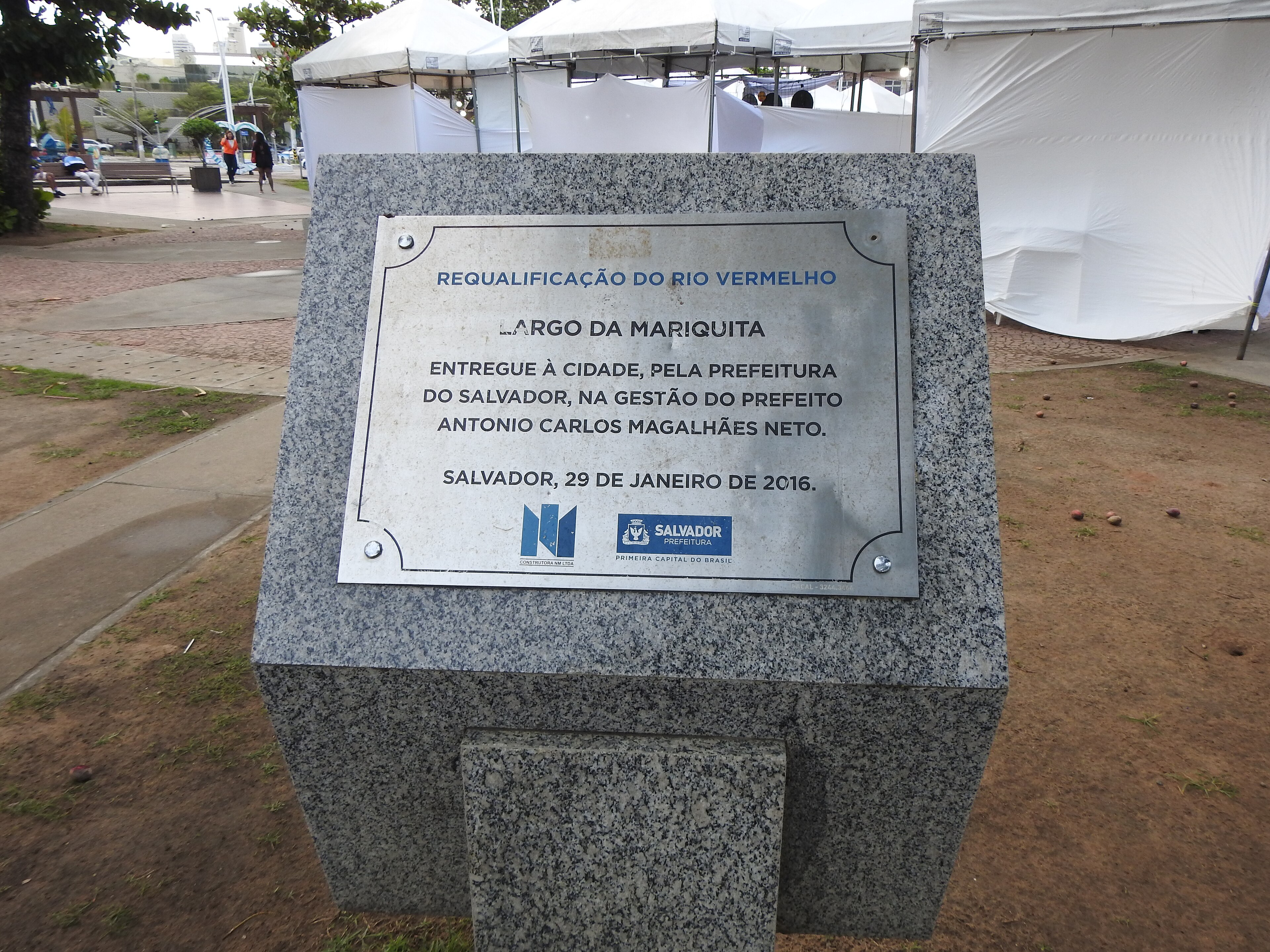
If you intend to rent the property when you are not using it, the Northeast's tourism economy can make the investment work twice over — though remember that pulling rental income changes your Brazilian tax picture, and the asset must stay in your name to keep the residence alive. For an honest read on which cities suit expat life, see our guides to the best cities for expats.
Who qualifies — and who this route suits
The investor residence is open to essentially any foreign national who can lawfully bring the capital and pass a clean background check. There is no nationality restriction (unlike the Mercosur route, which is reserved for citizens of Argentina, Chile, Colombia and neighbors). You do not need to speak Portuguese, hold a job offer, or be retired.
It tends to suit:
- Lifestyle investors who wanted a Brazilian apartment anyway and would rather have it earn them residence than sit idle;
- Remote earners and semi-retirees who do not meet the income tests of other visas but have capital;
- Families — your spouse/partner and dependent children ride along on the same file as dependents with full residence and work rights;
- Future citizens who want to start the naturalization clock now.
How it compares to Brazil's other residence routes
| Route | Threshold / test | Best for | Legal basis |
|---|---|---|---|
| Real estate investor | R$1,000,000 property (R$700k NE/N) | Capital-rich lifestyle buyers | CNIg Res. 36/2018 |
| Company investor | R$500,000 (R$150k for startups/R&D) | Entrepreneurs building a business | CNIg Res. 118/2015 |
| Digital nomad | US$1,500/mo income or US$18,000 savings | Salaried remote workers | CNIg/MJSP Res. 45/2021 |
| Retiree / rentista | ~US$2,000/mo passive income (confirm) | Pensioners and the financially independent | Migration Law / CNIg |
| Family / marriage | Brazilian spouse, partner or child | Binational couples and families | Migration Law Art. 37 |
If you have a Brazilian spouse or child, marriage and family reunion are almost always faster and cheaper than buying R$1M of property — and they cut the naturalization wait to one year. Capital is the golden visa's whole point; if you have a family tie instead, use it. The retiree figure of around US$2,000/month is the least firmly pinned of these numbers, so confirm the current figure with a consulate or the Polícia Federal before relying on it.
The application process, step by step
The golden visa file has two faces: the property transaction and the immigration application. They run partly in parallel. Here is the realistic sequence.
Get your CPF
The CPF is Brazil's taxpayer ID, and you cannot buy property, open a bank account, or do almost anything without it. You can get it for free at a Brazilian consulate abroad or online before you ever land. See our CPF guide.
Open a Brazilian bank account and exchange channel
You will need somewhere for the funds to land and a documented foreign-exchange contract so the central bank registers your incoming capital. We cover this in opening a bank account.
Find the property and run full due diligence
Order the matrícula certificate and the seller's certidões. Verify title, encumbrances, taxes, and that the property is urban and unrestricted. Never skip this to "save time."
Sign, transfer funds, pay taxes, and record the deed
Sign the escritura at a notary (tabelionato), pay ITBI transfer tax (~2–4%), then register the deed at the Cartório de Registro de Imóveis so the matrícula shows your name. Only now do you own it.
File the investor residence application
Submit the residence request — via a Brazilian consulate abroad (VITEM) or, increasingly, directly to the Ministry of Justice / Polícia Federal within Brazil — with the matrícula certificate, proof of foreign-capital entry, background checks, and supporting documents.
Register with the Federal Police and collect your CRNM
Once approved, register with the Polícia Federal within 90 days and collect your CRNM residence card. See getting your CRNM.
Documents you will typically need
- Valid passport (and the relevant visa stamp if applying from abroad)
- CPF
- Up-to-date matrícula certificate showing you as owner
- Proof of the foreign-capital entry (exchange contract / SISBACEN registration)
- Criminal background certificate from your home country, apostilled and translated by a sworn translator (tradutor juramentado)
- Birth/marriage certificates (apostilled, translated) for any dependents
- Proof of Brazilian address and passport photos
What it costs: the full money picture
The threshold is the investment, not the cost. Budget for these on top of the purchase price.
- ITBI (Imposto de Transmissão de Bens Imóveis): a municipal transfer tax of roughly 2–4%, usually around 3% in São Paulo and Rio, charged on the higher of the price paid or the valor venal (assessed value).
- Notary and registry: together about 1–1.5% for the escritura and the matrícula registration.
- Total closing costs: plan for 5–7% of the purchase price all-in, before legal fees.
- Government immigration fees: modest — on the order of R$329 for the visa/processing and R$372.90 for the CRNM card in 2026.
- Legal and translation fees: due diligence, sworn translations, apostilles, and representation — quoted per file. See our pricing.
Renewal, permanence and keeping the residence alive
The investor residence is granted for an initial four-year term and is renewable, then convertible to permanent residence if you keep the conditions. The core condition is obvious but easy to forget: you must keep the investment. Sell the property or pull the capital out and the residence basis disappears with it. If you want to sell one apartment, replace the threshold with another qualifying property first.
Renewals also look at minimum presence. You do not have to live in Brazil full-time, but extended, unbroken absence can jeopardize renewal — Brazilian residence is not a passive document you can ignore for years. Plan to spend meaningful time in the country, keep your CRNM current, and file what you are asked to file.
From residence to citizenship
The golden visa is also a citizenship clock. Under the Migration Law (Lei 13.445/2017), ordinary naturalization requires four years of lawful residence, the ability to communicate in Portuguese, and a clean criminal record (Art. 65). The four-year residence you build as an investor counts toward that.
Some applicants qualify for the one-year reduced naturalization track (Art. 66) — chiefly the spouse or stable partner of a Brazilian, the parent of a Brazilian child, or nationals of Portuguese-speaking (CPLP) countries. The Portuguese-language requirement (typically shown via the CELPE-Bras exam) is waived for CPLP nationals and for anyone with 15+ years of residence. Brazil permits dual citizenship, so Americans and Europeans generally do not have to renounce their original nationality. Our naturalization guide covers the full process; if you have Brazilian ancestry, citizenship by descent may be faster than naturalization.
The tax reality — the part the brochure skips
Residence has a tax shadow, and for Americans especially it is the most important section of this guide.
When you become a Brazilian tax resident
You become a Brazilian tax resident once you spend more than 183 days (consecutive or not) in Brazil within any rolling 12-month period — or immediately on entry if you hold a permanent visa. From that point, Brazil taxes your worldwide income on a progressive scale with a top marginal rate of 27.5%. Simply owning property and visiting occasionally does not make you a tax resident; living here does.
The 2026 income-tax reform
Brazil's IRPF reform (Lei 15.270/2025, effective 1 January 2026) raised the exemption floor. Monthly income up to R$5,000 is now fully exempt, with partial relief up to R$7,350/month and a full annual exemption up to R$60,000. The reform also adds a new minimum tax on very high earners and a 10% withholding on monthly dividends above R$50,000 from a single entity. For most expat residents, the headline is the R$5,000 monthly exemption.
Carnê-Leão for foreign income
If you draw foreign-source or non-withheld income (a pension, overseas rent, freelance pay), Brazil expects you to report and pre-pay tax monthly through the Carnê-Leão system on Receita Federal's e-CAC portal — not once a year. Missing this is a common, avoidable expat mistake.
Capital gains when you sell the property
When a non-resident sells Brazilian property, capital gains were historically taxed at a flat 15%. Current PwC guidance applies the progressive scale instead — 15% up to R$5M, rising through 17.5%, 20% and 22.5% above R$30M (and 25% if the seller sits in a tax-haven jurisdiction). This area is contested and changes, so treat the progressive scale as current, note the historical flat 15%, and run any sale past a tax professional and any applicable treaty before you commit.
Living here: healthcare, banking, driving
Once you hold residence, day-to-day life opens up quickly.
- Healthcare: the public SUS system is free and universal to everyone on Brazilian soil, including foreign residents, with no waiting period — register with your CPF (and usually CRNM). Most expats also carry a private plano de saúde. See healthcare in Brazil.
- Banking: with your CRNM and proof of address you can open a full resident account, including digital banks like Nubank, C6 and Inter.
- Driving: your foreign licence is valid for up to 180 days after you establish residence (carry your passport and an International Driving Permit); after that, exchange it for a Brazilian CNH. Citizens of the US, Portugal, France, Germany and Spain are typically exempt from the driving test, though a medical and psychological exam is required. See driving in Brazil.
If you are weighing the move itself, our relocation guides for Americans and Europeans cover the practical ground, and cost of living sets expectations on the everyday numbers.
How long does it take?
There is no single official clock, because the file moves through several agencies — the câmbio bank, the notary, the property registry, and the immigration authority — each with its own pace. A realistic, well-prepared timeline looks like this:
- CPF and bank setup: days to a few weeks, faster if you start at a consulate before arriving.
- Property search and due diligence: highly variable, but budget two to six weeks to find a clean title and complete the searches properly.
- Closing and registry: once you sign, recording the matrícula at the Cartório de Registro de Imóveis typically takes a few weeks.
- Immigration decision: the residence application itself commonly runs a few months from a complete filing to approval, depending on the consulate or Federal Police unit.
The single biggest time-sink is almost never the government — it is incomplete documents. Apostilles ordered late, a missing sworn translation, or a title defect discovered at closing will add months. The files that move fastest are the ones where the paperwork was assembled in the right order from the start.
A worked example
To make the numbers concrete, take a composite buyer — a couple from Florida who want a base in the Northeast and the option of eventual citizenship. They buy a R$750,000 apartment in Salvador. Because it sits in the Nordeste, R$700,000 of it clears the investor-residence threshold with room to spare. On top of the price they budget roughly R$22,000 in ITBI (~3%), about R$9,000 in notary and registry, and a few thousand more for legal work, apostilles and sworn translations — call it 5–7% of the purchase, plus the modest government fees of around R$329 for the visa and R$372.90 each for their CRNM cards. They wire the funds through a documented exchange contract, the bank registers the foreign capital, the deed records both their names on the matrícula, and they file the residence application with that registry certificate attached. Four years of maintained investment later, they are eligible to start naturalization — and because Brazil allows dual citizenship, they keep their US passports. Change the city to São Paulo and the only thing that breaks is the threshold: there they would need the full R$1,000,000.
Common mistakes that sink golden-visa files
- Buying first, asking about immigration later — and discovering the funds path won't evidence
- Paying partly in cash or wiring to a third party, breaking the traceable-capital chain
- Under-declaring the price to cut ITBI, then falling below the threshold
- Skipping the matrícula and seller certidões, then inheriting a lien or a probate dispute
- Buying rural land or a border-strip property that cannot anchor the route
- Treating the residence as fire-and-forget — letting the CRNM lapse or staying away too long
- Ignoring tax residency until after the 183-day line, when planning options have closed
Is the Brazil golden visa right for you?
If you have the capital, want a foothold in Brazil, and would value the optionality of residence and an eventual second passport, the real estate route is one of the cleanest in Latin America: a real asset you can live in or rent, a transparent threshold, modest government fees, and a clear path to citizenship. The catch is execution — Brazilian property and immigration bureaucracy is unforgiving of shortcuts, and the tax side genuinely matters, especially for Americans with no treaty to lean on.
That is the part we handle. We run the title search, structure the funds path so the investment evidences cleanly, file the residence application, and coordinate the tax planning before you cross the residency line. If you are weighing a purchase, talk to us first — the cheapest hour you will spend on this is the one before you sign.
Frequently asked questions
Does Brazil actually have a golden visa?
Yes, though it isn't officially called that. Brazil grants an investor residence permit to foreigners who invest at least R$1,000,000 in urban real estate (R$700,000 in the North or Northeast), under CNIg Resolution 36/2018. It works like the golden visas of Portugal or Greece: an asset purchase that earns renewable residence with a path to citizenship.
How much do I need to invest for the Brazil golden visa?
R$1,000,000 (about US$192,000 / €170,000, approx) in urban property anywhere in Brazil, or R$700,000 (about US$135,000 / €119,000, approx) if the property is in the North or Northeast regions. You can combine more than one property to reach the threshold. Budget another 5–7% for closing costs on top.
Do I have to live in Brazil full-time to keep the residence?
No, but extended unbroken absence can jeopardize renewal, and you must keep the qualifying investment in your name. Sell the property or withdraw the capital and the residence basis disappears. Plan to spend meaningful time in Brazil and keep your CRNM card current.
Can the Brazil golden visa lead to citizenship?
Yes. After four years of lawful residence, plus the ability to communicate in Portuguese and a clean record, you can apply for ordinary naturalization (Migration Law Art. 65). The wait drops to one year for spouses of Brazilians, parents of a Brazilian child, or CPLP nationals. Brazil permits dual citizenship, so most Americans and Europeans keep their original passport.
What taxes will I pay if I get Brazilian residence?
If you spend more than 183 days a year in Brazil (or hold a permanent visa), you become a tax resident taxed on worldwide income, with a top rate of 27.5%. The 2026 reform exempts monthly income up to R$5,000. Americans face extra complexity: there is no US–Brazil tax treaty, so plan with our double-taxation guide before you cross the residency line.
Can foreigners buy property in Brazil freely?
For urban residential property, yes — there is no nationality or geographic restriction. Restrictions apply to rural land (INCRA caps), the 150 km border strip (National Defense Council approval), and coastal terreno de marinha (federal soil with annual foro and laudêmio fees). Only urban property anchors the golden-visa route.